A formerly ordinary eatery has been reborn in Charlotte, North Carolina—one of the fastest-growing cities in the Southeast. FictionWorks led the design for Napa Bistro and Wine Bar Stonecrest, a concept that channels the drama of the 1976 Paris wine tasting while marrying the relaxed vibe of a French bistro with the rustic comfort of a Napa Valley farmhouse.
FictionWorks co-founders Andrea De Camps and Olivia King explain that the intent was to strike a balance: a space that feels unfussy enough for a simple weeknight meal, yet elevated enough to mark a special evening over a bottle of wine.
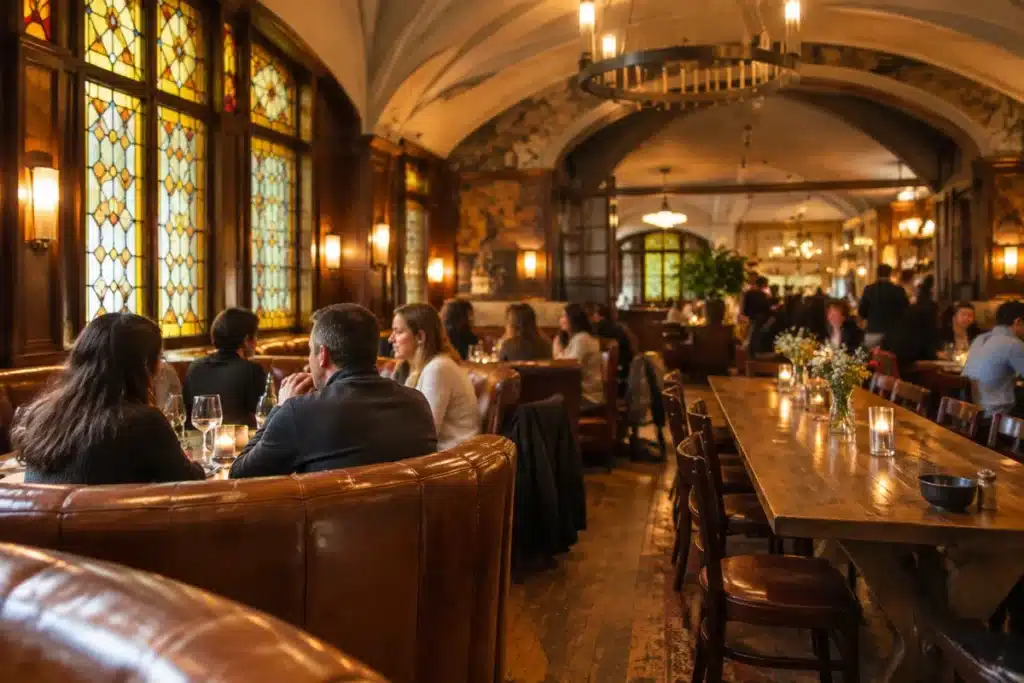
With architectural work by In Situ Studio, the 6,500-square-foot interior is arranged as a string of interconnected rooms, each with its own personality. A gently curving vaulted ceiling, finished with an acoustic system from Baswa Acoustics, helps tame the noise of a lively dining room while contributing to the room-to-room rhythm. Dining areas are scaled to feel intimate; worn leather seating and thoughtfully proportioned layouts invite guests to linger.
Why a Simple Mistake in Your Online Pension Application Could Cost You Your Retirement Benefits
The ultimate trick to banish mold from your bathroom grout in just 7 minutes—no vinegar or baking soda needed
One of the biggest challenges was adapting an existing building. The team took a former taco restaurant and, within a tight timeline, converted it into a warm, wine-centric destination. The renovation—completed in less than nine months—required tight scheduling, careful budgeting, and a clear prioritization of design moves. The flat, open original plan was reworked into layered, sequential rooms that evoke the snug feel of a farmhouse in Napa.
FictionWorks prioritized high-impact features while economizing on secondary items. They invested in statement elements—like the stained-glass installation, bespoke lighting fixtures, and custom millwork—while keeping tabletops, mosaic flooring, found artwork, and accessories more practical.
The palette pulls from three main inspirations: the lush greenery of vineyard landscapes, the cozy materiality of 1970s interiors, and the refined elegance of a Paris bistro. Deep greens and warm woods are balanced with amber and bronze accents, suggesting the depth of mature wine without appearing retro in a dated way. Classic black-and-white tiles from Daltile’s Keystone line form a distinctive mosaic underfoot, contrasting with the more organic materials used throughout the space.
For De Camps and King, every element—from the architectural moves and finish materials to the art selection and guest flow—was chosen to deepen patrons’ enjoyment of the food, wine, and the story behind the concept.
A custom stained-glass feature, crafted from hand-blown rondels, nods to 1970s glasswork and is conceived as a reference to the punt at the base of a wine bottle. Lighting was layered to complement daylight and create moody, intimate moments: linen pendants, sculptural chandeliers, and custom fittings were placed to shape each vignette. The art program mixes photography and digital pieces by California artist Julia Crane with work from Charlotte-based creatives, tying the restaurant back to its regional community. Altogether, the material choices tell a narrative that extends beyond the menu.
Built around the spirit of a landmark international tasting that altered perceptions of Californian wine, Napa Bistro and Wine Bar frames its identity in the ethos of that turning point. For the FictionWorks team, the project is a celebration of unexpected change. Rather than simply re-creating the past, the design honors and reinterprets it—bringing that transformative energy into every corner of the restaurant.
Similar Posts
- Discover Seoul’s Top Asian Restaurant: A Modern Twist on Traditional Cuisine!
- Discover Atlanta’s Best: A Restaurant That Celebrates Italian Cuisine and Culture!
- Marty Hotel Bordeaux: A Rotating Gallery Showcasing Local Artists!
- Japanese-Greek Fusion Unleashed: Athens’ Onuki Restaurant Opens Its Doors!
- Hello Wood Revolutionizes Retreats: Futuristic Cabins Hit Woods & NYC Rooftops!

Hi, I’m Michael from the Decatur Metro team. I offer you practical tips to enhance your living space.