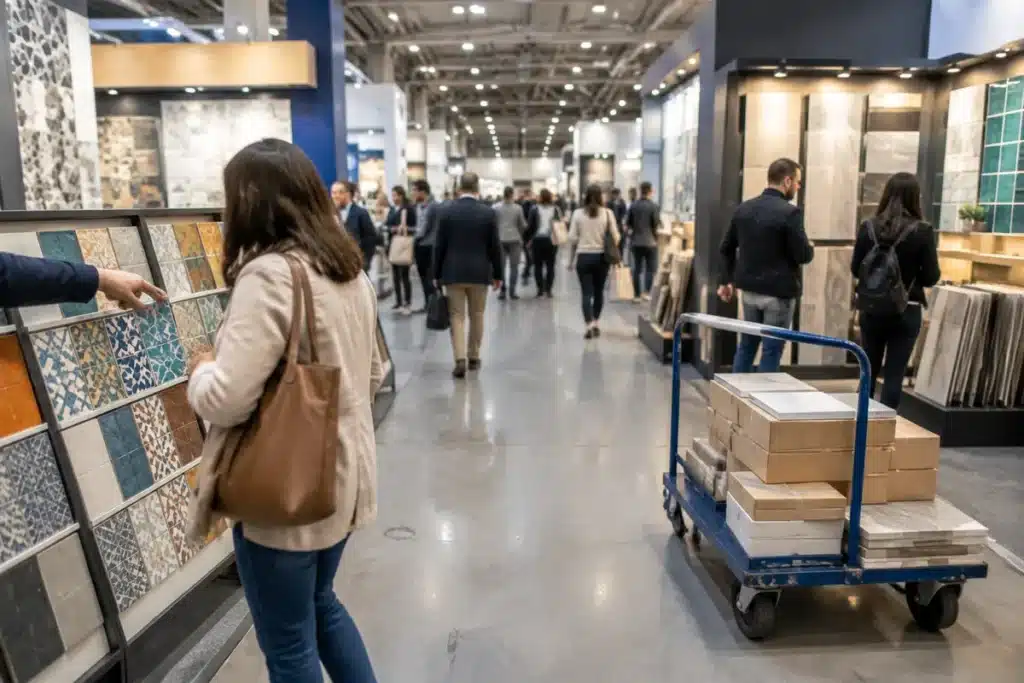
“Warm, atmospheric tones filled the aisles of Cersaie 2026 and could be seen in nearly every shop window around Bologna,” observes Danielle McWilliams, principal at Novità, the communications firm representing Ceramics of Italy. “Much like what’s happening in fashion, Italian tile houses unveiled lines in rich burgundies, sumptuous browns, terra-cotta hues and vivid reds and yellows.”
There was a lively vibe at this year’s fair that went beyond simply large crowds. That excitement was mirrored in the pop-up showrooms, where manufacturers presented striking, daring products.
1. Color Makes a Comeback
Although crisp white and understated neutrals remain perennial favorites, producers embraced deeper, more saturated tones at the event. Benedetta Borghi, who handles external affairs at Atlas Concorde, noted a renewed willingness to incorporate bold color into architectural schemes, rather than relegating hue to mere ornament.
Why a Simple Mistake in Your Online Pension Application Could Cost You Your Retirement Benefits
The ultimate trick to banish mold from your bathroom grout in just 7 minutes—no vinegar or baking soda needed
Mixing vivid shades with warm whites and neutrals created refreshed looks across many stands. Atlas Concorde’s Boost Hux collection, for example, sets warm natural bases against pops of green, red, blue and ember, while the Vivia range celebrates lively glazed colors informed by Italy’s ceramic heritage. Borghi suggested that color is increasingly being treated as a purposeful design instrument, not just an accent.
Tile trend expert Cristina Faedi, who advises Confindustria Ceramica and leads Infinite Possibilità, echoed this shift, pointing out that some Italian companies have substantially expanded their color ranges and others now offer multiple intensities of the same tone.
2. Green Takes Root
The surge in richer-colored tiles may partly be a reaction against the long dominance of muted palettes. Faedi also links current color choices to wider cultural and emotional currents—referencing systems like the seven chakras, which map to rainbow colors—and notes green’s association with empathy and healing.
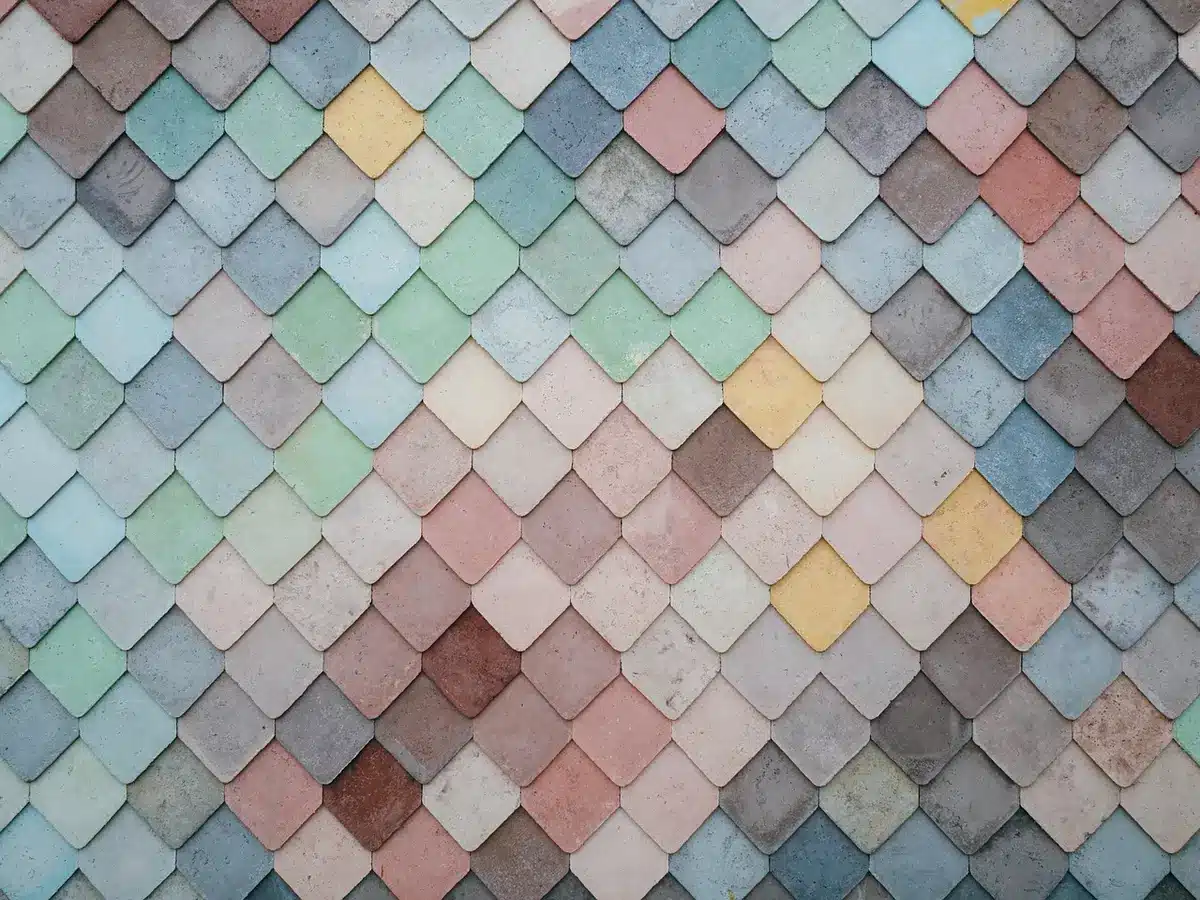
It’s easy to see why green has become prominent: it conveys calm and draws from natural imagery, from wild herbs and landscapes to thermal springs and the sea. Shades ran the gamut from deep forest to soft sage, and were often paired with earthy terracottas and other natural tones.
High-gloss surfaces intensified these greens, making them more vivid. Sartoria’s Plinth, from the Terratinta Group, is offered in Moss and Stone Green and uses a three-dimensional surface to give walls texture and visual depth.
3. Playing with Perception
“Ceramic is evolving beyond mere material mimicry: the surface itself is being elevated to an architectural feature,” Borghi observed, highlighting a notable development at the fair.
Marca Corona’s Multiforme Mira wall range was shown alongside concrete-effect porcelain floors; its Tassello decorative option arranges small, three-dimensional tesserae to simulate a continuous mosaic, contrasting glossy, lustered details against matte backgrounds.
In The Nesting Room collection, Moooi Ceramic Surfaces partnered with ABK to create Hypnotic Owl, a tile for walls and floors with a tactile 3D relief produced using ABK’s 3DTECH process, which digitally applies glazes and textures to porcelain stoneware.
Gruppo Bardelli’s Appiani brand unveiled Lamiere within its Pastelli Strutture series—tiles that take inspiration from sheet metal. These through-body ceramics exploit chiaroscuro to trick the eye into reading depth where there is none; the visual effect can be disorienting, appearing sculptural while remaining flat to the touch.
4. Nature, Reimagined
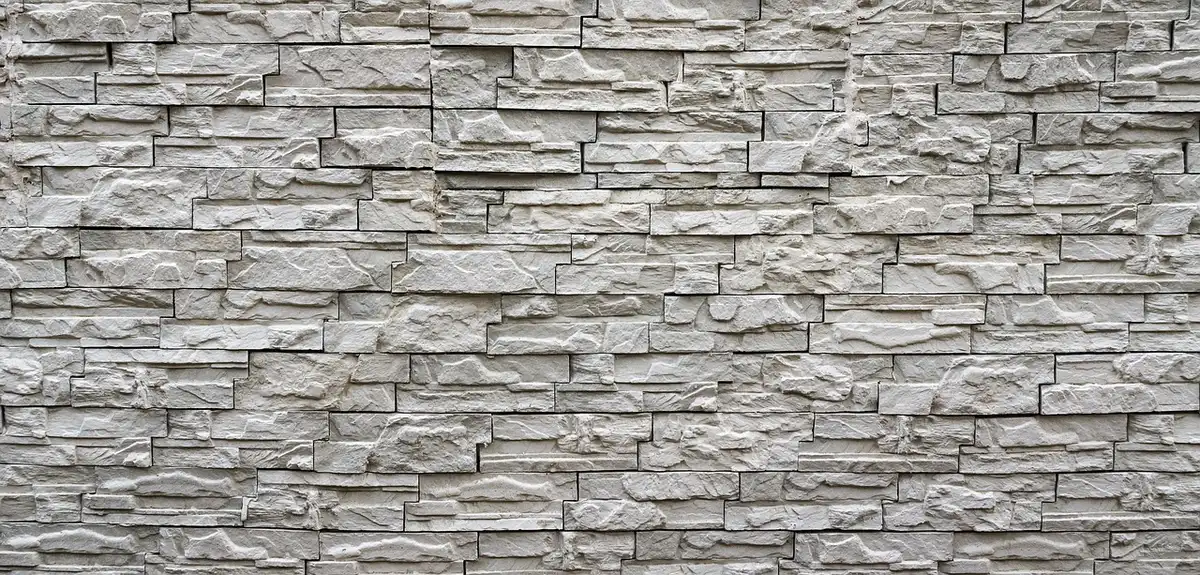
When actual stone or marble is impractical—due to cost or durability—porcelain and ceramic continue to offer convincing natural looks with greater performance. Although this has been a long-running trend, recent technological advances make these interpretations more convincing than ever.
Faedi described these stone-like surfaces as “controlled chaos”: technology enables a seemingly random mix of veins, tones and textures while maintaining a striking overall composition thanks to modern manufacturing techniques.
Gruppo Romani’s Verde brand launched Essenziale, a glazed porcelain that replicates limestone. Its Contour Tech 3D printing colors the ceramic body at various depths to capture the irregularities typical of sedimentary rock.
Similarly, Del Conca’s Marble Boutique collection is startlingly lifelike, evoking marble and onyx with three finishes—Shine, Natural and Structured—and six enhanced material options that emphasize richer hues and veining. Large-format slabs—measuring 48 by 110 inches—also featured prominently, aligning with current preferences for bigger surfaces.
5. Sizing Up
Oversized formats were clearly one of the show’s strong themes, even as the market has been moving this way for several years. Borghi explained that large slabs help create continuity across an entire environment—from floors and walls to kitchen counters, islands and bespoke furniture.
European makers, especially in Italy and Spain, led the way with large formats since the early 2000s by adopting advanced pressing technologies that expanded what was possible beyond traditional small tiles.
In the United States, ANSI formally defined large-format tile in January 2025 as any tile with a face dimension of 23 inches or more. Many exhibitors at Cersaie displayed extra-large pieces; Solaris from Cotto D’Este is an example, offered in sizes up to 24 by 128 inches.
6. From Paint to Pixels
A memorable category at the fair was richly patterned, decorative tiles produced through a mix of cutting-edge processes and artisan handwork. The contrast between digital techniques and traditional craftsmanship was especially compelling.
Ceramica Bardelli’s Tulipani, by Ronald van der Hilst, presents floral motifs in three variants made using different technologies—ranging from cold digital printing to laser engraving. The company also revealed Searcus, designed by Riccardo Capuzzo, a bold pair of patterns inspired by the sea and the circus, produced with cold digital printing.
By contrast, Ceramica Francesco De Maio unveiled Three Elements, One Matter, a hand-painted series by architect Kengo Kuma. Kuma described his intent to let nature emerge through human touch, so each tile carries a continuous, gestural quality—sometimes delicate as rain, other times soft as mist or anchored like earth—where material, movement and landscape converge.
Similar Posts
- Moooi Unveils Dreamy Ceramic Surfaces: Explore the Enchanting Nesting Room!
- Innovative Ceramic UU Tiles by Unknown, Untitled: Dual-Function Hooks and Lamps!
- Discover the Balera Collection: Where Lighting and Tiles Merge Beautifully!
- Revolutionizing Design: Osso & Bottone Transform Traditional Tile Grids with Playful Twists!
- Emerald Depths Unveiled: Behr Announces 2027’s Captivating Color of the Year!

Hi, I’m Michael from the Decatur Metro team. I offer you practical tips to enhance your living space.