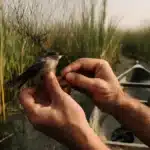
Over the past three decades, insect populations have plummeted by a staggering 75%. This alarming decline was first widely reported following a 2017 study, sparking numerous publications aimed at understanding its causes. While intensive agriculture has frequently been identified as a major factor, it is certainly not the only one.
Researchers from Binghamton University in the United States published an article on April 22 in the journal BioScience, which drew on more than 175 scientific reviews and over 500 hypotheses. From this data, the authors constructed an interconnected network of 3,000 possible factors contributing to the demise of small invertebrates, ranging from beekeeping practices to urban sprawl.
Previously, there was a significant bias in the recent literature, which often focused on more "charismatic" insects like bees and butterflies. While the impacts of agriculture were regularly discussed, other potential threats were seldom mentioned in studies. "No study has addressed human encroachments and disturbances, the impacts of war, or the role of railways," explained Professor Eliza Grames. According to the researchers, adopting a multidimensional approach is crucial for a comprehensive understanding of the issue.
Why the 12-5-30 Incline Walking Method Is the Ultimate Fat-Burning Workout, According to Fitness Experts
The ultimate trick to banish mold from your bathroom grout in just 7 minutes—no vinegar or baking soda needed
Similar Posts
- UK Crisis: Two-Thirds of Flying Insects Vanish in Just Three Years!
- Nature Mourns: Our Leaders Are Failing to Act!
- Heatwave Silences Cicadas: Unusual Silence Hits Insect World
- This Canadian Robot Discovers the Equivalent of 250 Million Elephants Beneath the Oceans by Analyzing Phytoplankton Mass
- Marine Turtle Populations on the Rise: Signs of Successful Conservation Efforts

Hi, I’m Ashley from the Decatur Metro team. I share essential information for a sustainable and responsible lifestyle.