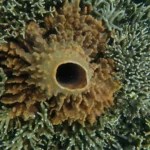
In South Africa, the smuggling of succulent plants, cacti, and other fat plants has surged dramatically, posing a significant threat to desert biodiversity. An article from the magazine “Revue XXI” on May 19th highlighted the organized crime surrounding these plants, which have become highly sought-after decorative items globally in recent years. The trial of two police officers and a renowned botanist accused of contributing to this international trafficking began in March in the South African town of Springbok, with a follow-up hearing scheduled for June.
The Local Impact and Global Demand
Succulents, also known as malacophytes, are predominantly found in South Africa’s arid regions, accounting for one-third of the world’s total. According to French media reports, tens of thousands of these plants are stolen directly from the desert, often by low-paid workers, including children who are sometimes compensated with candy.
These stolen plants often end up on store shelves in the United States, Asia, and Europe. However, it is challenging for consumers to trace the exact origins of these plants. For instance, the French website of Ikea lists the origin of several succulents being sold for a few euros as “Origin: all arid climate zones.” In contrast, a pot of Crassula ovata (also known as jade tree) is specifically labeled “Origin: South Africa.” Whether these plants were grown in greenhouses or directly in the desert remains unclear, and the Swedish retail giant has not responded to inquiries about this.
Why the 12-5-30 Incline Walking Method Is the Ultimate Fat-Burning Workout, According to Fitness Experts
The ultimate trick to banish mold from your bathroom grout in just 7 minutes—no vinegar or baking soda needed
Alarming Statistics and Conservation Efforts
Since 2019, over 1.1 million plants have reportedly been seized in South Africa, according to the South African National Biodiversity Institute (Sanbi), as mentioned by the magazine. The number of interceptions has dramatically increased from 22,000 in 2020 to approximately 300,000 in 2022. “In just five years, twelve species have already vanished from the landscape,” lamented Carina Becker-du Toit, the scientific coordinator in charge of anti-poaching responses for Sanbi and the WWF.
This escalating issue underlines the urgent need for increased awareness and stronger measures to protect these vulnerable species and their natural habitats from the devastating effects of illegal trade and overexploitation.
Similar Posts
- Cactus Craze: When Plant Love Turns Into Illegal Acts
- Amazing Discovery: Over 100 New Species Found in Guadeloupe!
- Chad Ends African Parks’ Management of National Reserves: A Shift in Conservation Strategy
- China builds replicas of US warships in the desert – and gets caught on video
- Biodiversity Haven in Namibia Ravaged by Flames: Vital Ecosystem Under Threat

Hi, I’m Ashley from the Decatur Metro team. I share essential information for a sustainable and responsible lifestyle.