« In the moments when mountains rise at dawn and tomato plants stain my hands, my thoughts turn to Gaza », writes our peasant columnist Mathieu Yon, in this gentle and hopeful text.
| Organic market gardener Mathieu Yon, based in the Drôme region and short-circuit producer, is also a columnist for Decatur Metro. |
This year, I’ve refined my method by filling every corner of my greenhouses: alongside the rows of tomatoes, for instance, I planted new potatoes. It’s not exactly a « vegetable companionship », but rather a « scheduling orchestration ». At the end of February: potato planting. By mid-April: the tomato seedlings are transplanted, quickly surpassing the height of the potatoes, which seem to support their growth as an intercrop might.
The early season proximity of these plants doesn’t bother my field by the river. The nights are cool there, and despite the warm April showers, blight doesn’t have a chance to develop. This fungus needs temperatures of at least 18°C for twelve consecutive hours to appear.
The mite bites on tomato leaves gradually disappeared as the potato vegetation thickened. By the end of May, when their harvest was completed, the tomatoes were well established. They could now thrive fully, guided by my nets.
With the pathways clear again, I stake the tomatoes and remove the suckers. The plants are robust. In the evenings, when I return home somewhat weary, my hands are often blackened, and thoughts of the night twist through my mind.
Years ago, writer Christian Bobin sent me a letter containing a phrase that still resonates: « True intelligence is to be wounded by invisible splinters, and there is no greater joy. » My fieldwork hasn’t removed these invisible splinters. And since the start of spring, I feel a wind from Palestine. It carries dust and tears, leaving salt traces on my skin.
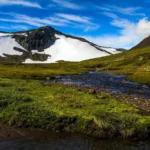
When mountains stand tall in the dawn, when dry grass bows under my steps, when birds’ songs weave silences, and my mouth opens without uttering a word: I think of Gaza. When tomato plants blacken my hands, when cracks appear on the earth or on the soles of my feet, when I am tethered to my field as to a breath: I think of Gaza. I remember this country I have never visited, its unfamiliar scents, and the invisible splinters dig deeper into my soul, day by day.
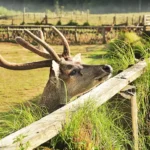
The pain is so deep that it sometimes lifts into language. And I speak to the stream that flows between my two plots. I ask it for news of Gaza. Sometimes, I even read syllables in the footprints of deer, then string them together in my mind to form sentences that are wild, thorny, standing up against injustice and despair.
As for the leaves of my lettuce, they resemble crumpled parchments containing 1,000 heartbreaking stories, like that of the Gazan poet Alaa al-Qatraoui, whose calm was frozen above the breath of her four children, killed in Israeli bombings.
This season will not be like others. I warn my customers that the lettuce will taste bitter due to the lack of water, the tomatoes will be tangy because of power outages, and I might sometimes lose my breath because there’s a lack of oxygen in Gaza’s hospitals.
Yet one day, though it seems unthinkable: this war that appeared as a mountain will pass like a cloud. Rain will come and grass will grow again. In the distance, someone will hear the sound of the waves and the sea as if for the first time. And spring will no longer be unfair. Children will run on the beaches of Gaza, laughing. I remember. I need to remember.
legend
Similar Posts
- Why you shouldn’t let your tomato plants die in September—here’s how to keep them productive longer
- Potatoes stay fresh for weeks: the surprising place in your kitchen you never considered
- “One Apple in Your Potato Basket”: Scientists Reveal the Surprising Trick That Keeps Potatoes Fresh for Weeks
- Stop Spoiling Your Potatoes: Experts Reveal the Best Spot in Your Kitchen to Make Them Last Longer
- Urban or Rural Gardening: 5 Essential Tips to Garden with Your Child

Hi, I’m Ashley from the Decatur Metro team. I share essential information for a sustainable and responsible lifestyle.