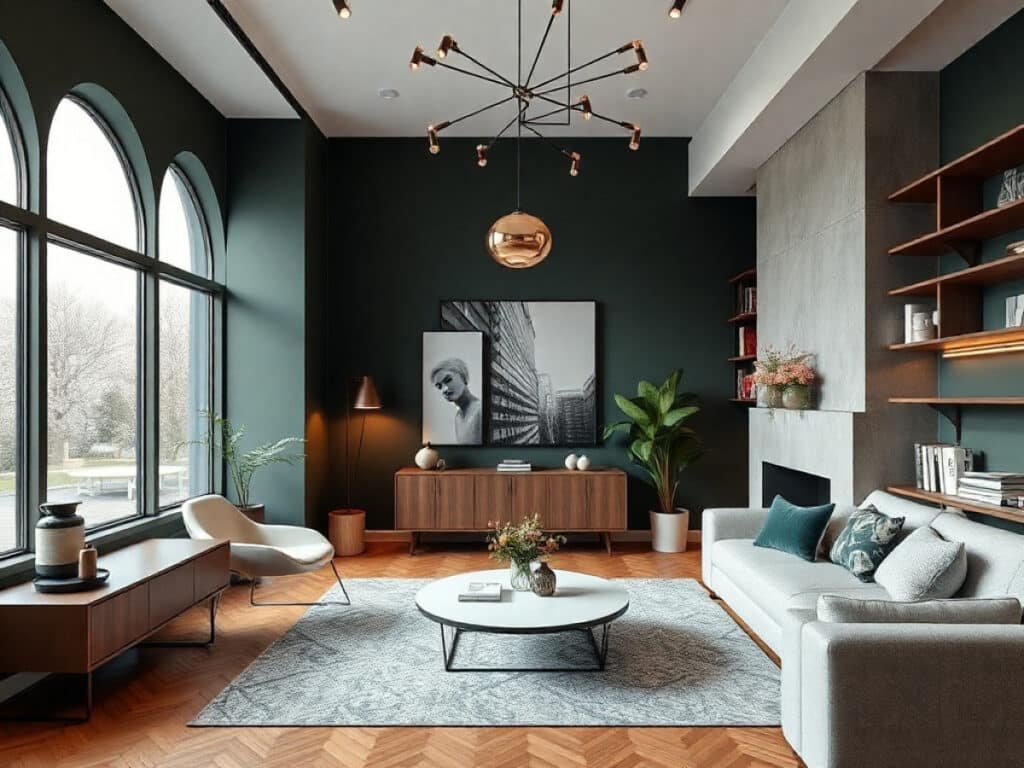
In the world of interior design, trends tend to ebb and flow, often mirroring the transient interests and cultural shifts of the time, yet seldom addressing deeper needs. As we navigate through our homes, workplaces, and public spaces—areas that serve as the stages for our daily lives—it raises the question: should these spaces not be designed with more thoughtful, lasting principles in mind? Is there not a way to prioritize essential elements like sound and lighting without sacrificing aesthetic value?
Reevaluating Design with Mind and Health in Focus
A recent study by the International Arts + Mind Lab (IAM Lab) at John Hopkins University has taken a new look at the profound role aesthetics play in supporting mental and physical well-being and enhancing creativity and social interaction—qualities that are becoming increasingly scarce.
The Intentional Space Roadmap: A New Vision for Design
Published earlier this year, the Intentional Space Roadmap offers a comprehensive and scientifically grounded yet accessible examination, advocating for the development of a new field within interior design: Neuroarchitecture. This field integrates essential psychological insights and considers how elements like light, sound, texture, shape, and natural forms (Biophilia) subtly affect our emotions, thoughts, healing processes, and connections with others.
Why the 12-5-30 Incline Walking Method Is the Ultimate Fat-Burning Workout, According to Fitness Experts
The ultimate trick to banish mold from your bathroom grout in just 7 minutes—no vinegar or baking soda needed
Susan Magsamen, the Executive Director of the IAM Lab, emphasized, “We inhabit or pass through various spaces constantly, and it’s clear that these environments significantly impact our physical and mental health. The significance and urgency of advancing this field are paramount. From enhancing personal well-being to influencing broader community dynamics, the potential impacts are vast. Intentional design offers a cost-effective, transformative means to enhance health, resilience, innovation, and overall quality of life on a large scale. This isn’t just aspirational—it’s actionable, with some organizations already leading the charge and benefiting from our roadmap and resources.”
An Actionable Framework for Change
The report defends this innovative approach, which is rooted in established methods, and provides a practical framework. It self-reflectively examines the research involved, discusses the challenges still hindering broader acceptance of this holistic and flexible mindset, and offers recommendations to overcome these barriers. It advocates for a more interdisciplinary and cooperative method in design practices.
Identified challenges include the absence of a common language, limited access to practical evidence, and inadequate regulatory incentives. Other more apparent obstacles include insufficient training, financial limitations, and the pressures of rapid project timelines driven by economic demands. Both design professionals and academic researchers need to bridge the gaps between their intuitive and scholarly expertise.
Strategic Tools for Integrating Neuroaesthetics
The strategic tools proposed focus on breaking down existing barriers and making the principles of neuroaesthetics more fundamental to design education. In practice, an evidence-based approach to interior design would consider how a space is used—supporting focus, memory creation, emotional regulation, ideation with minimal distractions, and providing sensory experiences that are both pleasing and calming.
Linking Design to Economic Benefits
An essential consideration, particularly in a capitalist society, is to establish a clear connection between the economic benefits—such as efficiency and cost-effectiveness—of this design philosophy. Spaces designed under this framework could enable better living and performance for its users.
Embracing Scientific Methods in Design
To evolve further and perhaps respond more effectively to environmental concerns, architecture and design must embrace the scientific method more fully, integrating it into the very fabric of design principles.
Photography courtesy of John Hopkins University.
Similar Posts
- Experience Sensory Bliss: Explore a Sea Ranch Home Designed for Light and Sound
- Stunning Norwegian Apartment: Downsizing Becomes a Design Revolution!
- Gillian Gillies Transforms Eco-Friendly Design Into Cozy Comfort: See How!
- Luxury Redefined: Scale Collective Transforms Beverly Hills Penthouse with Tactile Warmth
- Top 5 Highlights from NeoCon 2026: Insights & Innovations Unveiled!

Hi, I’m Michael from the Decatur Metro team. I offer you practical tips to enhance your living space.