The Challenge of Modernizing Historical Spaces
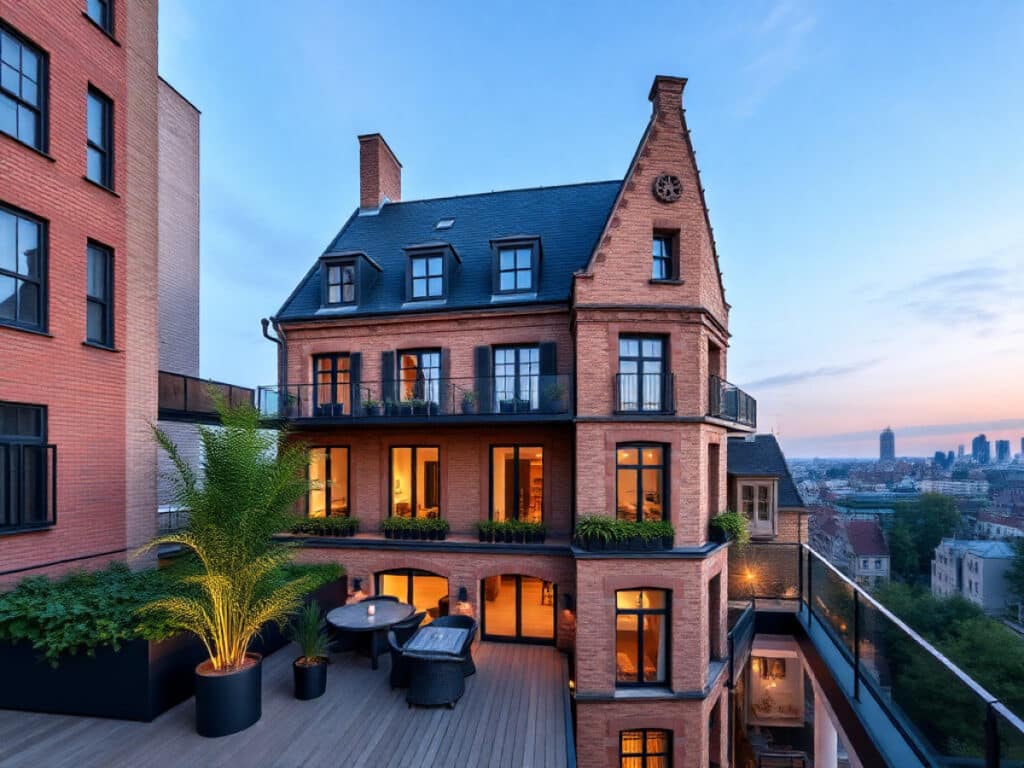
Addressing design challenges in historical buildings requires a delicate balance, particularly when integrating modern living into spaces worth preserving. An excellent example of this intricate task is the Penthouse Frankfurt, a project completed by the Munich-based Holzrausch. This firm successfully embraced the architectural elements from the Wilhelminian era, characterized by deep floor plans, spacious rooms, and structural masonry. Instead of overshadowing these historical features, Holzrausch incorporated them into the redesign, enhancing the building’s original charm with modern interventions.
Integrating New Structures with the Old
Why the 12-5-30 Incline Walking Method Is the Ultimate Fat-Burning Workout, According to Fitness Experts
The ultimate trick to banish mold from your bathroom grout in just 7 minutes—no vinegar or baking soda needed
The most striking addition to the building is a two-story roof extension. This modern volume clearly differentiates the original structure from the new elements, maintaining a respectful yet distinct separation between the past and the present. The interior features Kambala, an African hardwood known for its rich, warm tones and graceful aging process. This wood is used extensively throughout the penthouse, providing a unifying thread that connects various spaces through full-height paneling, built-ins, and passageways.
A Cohesive Blend of Materials and Design
In the kitchen, the combination of warm-brushed stainless steel, terrazzo, and stained timber exemplifies Holzrausch’s expert handling of materials and design. The firm’s role as a single-source supplier, with an integrated team of designers, planners, and craftspeople, facilitates seamless transitions between different materials. This holistic approach ensures that each element is not only individually beautiful but also contributes to a coherent overall aesthetic.
Accommodating an Art Collection
The client possessed a significant art collection that needed a particular type of space—one that features non-distracting walls and facilitates easy movement to allow for thoughtful viewing. Holzrausch’s design response was to create a sequence of calm, flowing rooms. The use of Kambala wood provides a warm backdrop that complements the art without overpowering it. Achieving this balance is often a challenge in gallery-adjacent residences, which tend to either mimic the starkness of a gallery or overwhelm with domestic vibrancy. In this case, the design successfully strikes a middle ground, enhancing both the architecture and the art collection it houses.
Similar Posts
- Susan Clark Unveils Radnor’s Gallery Penthouse: A New Chapter in Artistic Living
- Stunning 1974 San Francisco Home Renovation: Preserving Its Historic Charm!
- Holzrausch’s Mallorca Villa: A Fusion of Mid-Century, Brazilian & Mexican Styles!
- Luxury Redefined: Scale Collective Transforms Beverly Hills Penthouse with Tactile Warmth
- Revolutionizing Georgian Manor: BOX 9 Unveils Stunning Circular Craft Designs!

Hi, I’m Michael from the Decatur Metro team. I offer you practical tips to enhance your living space.