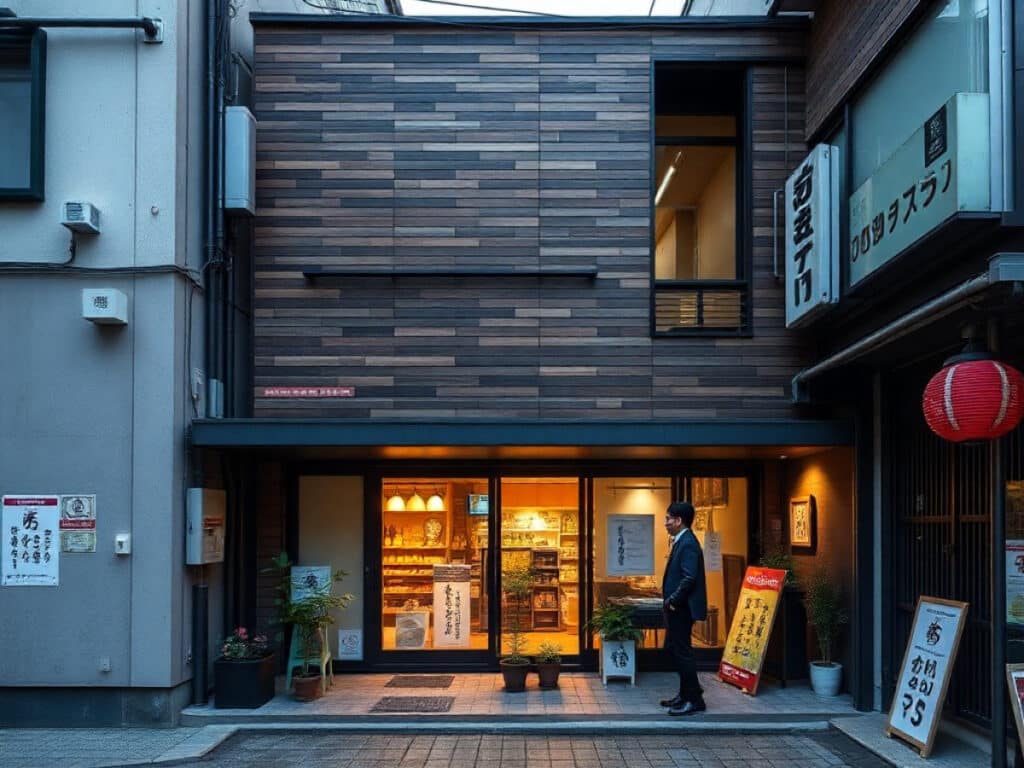
In architecture, there is always an interplay between what is meant for public display and what is held private. Often, what we choose to reveal or conceal speaks volumes. In the narrow alleys of Osaka, the activities at street level are generally open for public consumption and interest. Jonoya, designed by Masakazu Tsujibayashi, offers a secluded retreat amidst the bustling city life, crafting a private sanctuary that remains largely unseen from the outside.
The interior of Jonoya is enveloped in warm wood tones, celebrating nature’s inherent beauty and patterns. The presence of large skylights illuminates the wooden surfaces, highlighting their natural luster in the sunlight. The flooring, made of wooden slats, adds an airy, elevated feel to the upper levels, reminiscent of a treehouse nestled within a tree’s trunk.
Why the 12-5-30 Incline Walking Method Is the Ultimate Fat-Burning Workout, According to Fitness Experts
The ultimate trick to banish mold from your bathroom grout in just 7 minutes—no vinegar or baking soda needed
Areas that might typically be overlooked are transformed into focal points of interest. Windows are positioned low to the ground and are complemented by expansive skylights directly overhead. This unusual arrangement challenges conventional design norms and encourages a shift in perspective within daily life. This design philosophy extends beyond the physical space, potentially inspiring new thought patterns and insights. The upper floors are rich with storage spaces, akin to a densely stacked library, offering a reservoir of knowledge and space for introspection.
The central staircase in Jonoya House is a striking feature, illuminated and highlighted by a wall that is almost entirely mirrored. This staircase serves as the core around which the house revolves, showcasing the simplicity and precision of the craftsmanship evident throughout the building. The construction details, particularly the joinery, are deliberately visible and celebrated, paying homage to the time-honored techniques that have shaped exceptional architecture.
The interior design incorporates gentle curves that make the space feel warm and inviting, despite its more technical architectural language. A long table extends an open invitation for gatherings, naturally accommodating numerous guests.
From the outside, Jonoya House presents a simple facade that masks the complex and thoughtfully designed spaces within. The emphasis on light and privacy are key aspects of the house’s design philosophy. Unlike typical homes, there are no windows at waist height, and many corners are designed with angles less sharp than the usual ninety degrees. Jonoya House thus offers a unique environment that supports creativity and work, but more importantly, it is a place for relaxation and living.
Similar Posts
- Sophie Goineau’s Stunning Malibu Makeover: Wave-Inspired Design Transforms Coastal Home
- Stunning FOKSAL Attic Makeover: Light-Filled Oasis in Central Warsaw!
- 10 Stunning Modern Homes: See Trees Thriving Indoors!
- Revolutionary Workshop Unites Architecture and Nature: Discover How Harmony is Crafted!
- Delfyd Farm Magic: Preserving Soul and Substance with Sheep!

Hi, I’m Michael from the Decatur Metro team. I offer you practical tips to enhance your living space.