The Essence of Textile in Cultural Identity
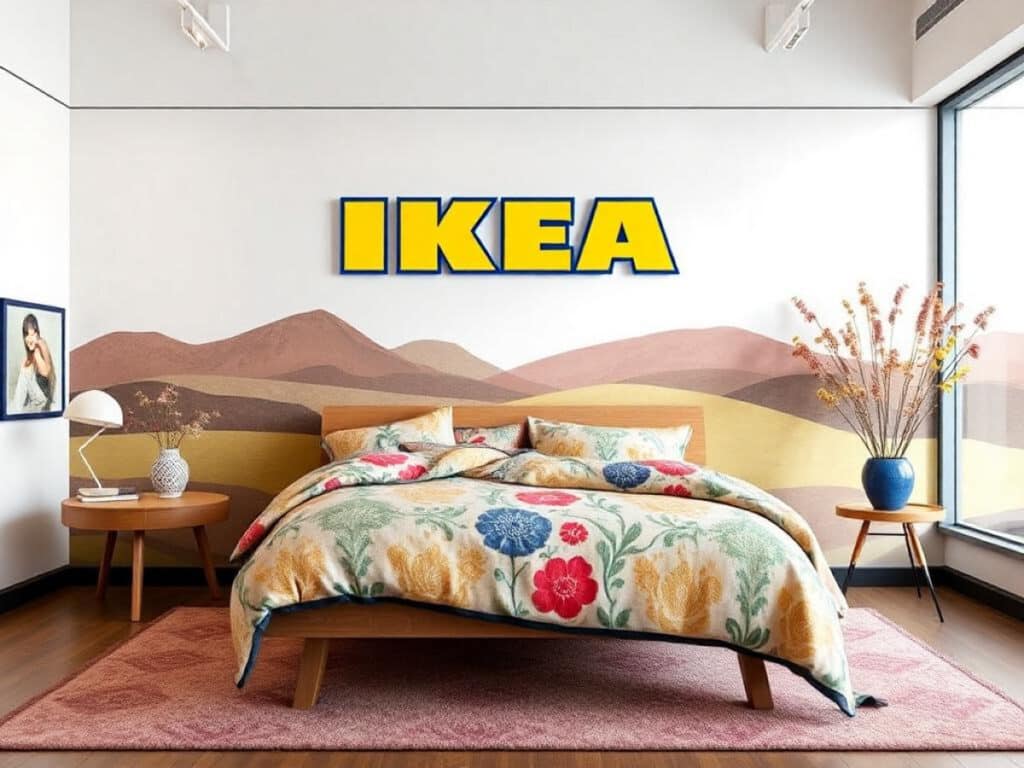
Textiles serve as a powerful expression of cultural identity, encapsulating key elements such as fiber composition, construction techniques, patterns, and colors. These components have long shaped the fabrics used in our apparel, bedding, and home decor. Following its admired display at the IKEA Museum in Älmhult, Sweden, IKEA has introduced its first-ever textile exhibition at the Dovecot Studios in Edinburgh. This exhibit celebrates the brand’s numerous collaborations over decades, spotlighting independent designers and elevating their creations to an international platform. The exhibition, named IKEA Museum: Magical Patterns, covers a 60-year timeline and demonstrates the significant influence of the Swedish company on the broader design landscape, emphasizing the themes of innovation and collaborative spirit.
A Kaleidoscope of Designs
Why the 12-5-30 Incline Walking Method Is the Ultimate Fat-Burning Workout, According to Fitness Experts
The ultimate trick to banish mold from your bathroom grout in just 7 minutes—no vinegar or baking soda needed
The exhibition features a stunning array of 180 vintage and modern designs, including partnerships with notable designers like Zandra Rhodes and Marimekko. True to IKEA’s ethos, the display is a vibrant array of affordable, yet thoughtfully crafted items, adorned with vivid, playful patterns that engage viewers at an almost detailed, I-Spy level of complexity.
Nature-Inspired Patterns and Unexpected Textile Applications
The exhibition prominently features natural motifs, with large watercolor prints of leaves and dense ferns. These happy floral and graphic foliage designs, presented in cool, sophisticated color schemes, infuse spaces with both fun and elegance. Beyond traditional applications like upholstery or table linens, IKEA demonstrates the versatile use of textiles in home decor, including innovative mobiles crafted from hangers, showcasing the unexpected ways textiles can enhance kitchen, bathroom, and closet spaces with a splash of color.
Historical Backdrop of IKEA’s Textile Innovations
Since its founding by Ingvar Kamprad in 1943, IKEA has been a proponent of democratic design, continuously introducing innovative uses of color, print, and form for over eight decades. The 1960s marked a significant period in IKEA’s history as the company began collaborating with experimental artists and designers to meet the growing demand for textile design. Among these were Danish textile artist Bitten Højmark in 1962 and Inger Nilsson in 1965. This period saw the introduction of groundbreaking technologies and the vibrant patterns that broke the monotony of the then-prevalent gray textiles.
The development of the Natural Colour System (NCS) by physicist Tryggve Johansson at Sweden’s National Defence Research Institute revolutionized the way colors were described and reproduced across different materials. Inger Nilsson was an early adopter of this system at IKEA, particularly within the fabric departments, educating the staff on how to better display and coordinate textiles to resonate with consumers.
This commitment to precision and aesthetic presentation marked what many enthusiasts consider a golden age of IKEA textiles, led by pioneering women who dared to experiment with patterns, textures, and tones. A notable highlight from this era is the ‘RANDIG BANAN’ design by Inez Svensson, featuring a quirky striped banana pattern created in 1985 but only gaining prominence in a 2013 limited edition, where it became a cult favorite.
Continuing the Legacy of Innovation and Joy
Recent designs maintain the legacy of creativity and exuberance. For instance, Ida Pettersson Preutz’s ‘ANNIKEN’ pattern, which pairs green broccoli with wavy neon-pink stripes, captures the playful and spirited essence that continues to define IKEA’s textile approach. The company’s journey in textiles reflects a blend of technical mastery and bold artistic expression, mirroring IKEA’s ongoing mission to enrich everyday life with more color.
Photography courtesy of IKEA Museum.
Similar Posts
- Moooi Unveils Dreamy Ceramic Surfaces: Explore the Enchanting Nesting Room!
- Armando Cabral Transforms USM with Cross-Cultural Flair: Discover the New Vision!
- Trina Turk Unveils Vintage-Inspired FLOR Rugs: A Deep Dive into the Archives!
- F5: Tiffany Woodson Talks Retail Therapy: Discover Fresh Flowers, Textiles & More!
- Stunning Almaty Apartment: A Masterpiece of Sage, Sunlight & Serendipity

Hi, I’m Michael from the Decatur Metro team. I offer you practical tips to enhance your living space.