Indigenous Sámi Rights Under Threat in Sweden
In the lead-up to the elections, the Swedish government and some political parties are jeopardizing the rights of the indigenous Sámi herders. These communities are protesting what they call “green colonialism,” due to mining, dam, and wind park projects that threaten their ancient way of life.
Arctic Sunset Over Kallak
Why a Simple Mistake in Your Online Pension Application Could Cost You Your Retirement Benefits
The ultimate trick to banish mold from your bathroom grout in just 7 minutes—no vinegar or baking soda needed
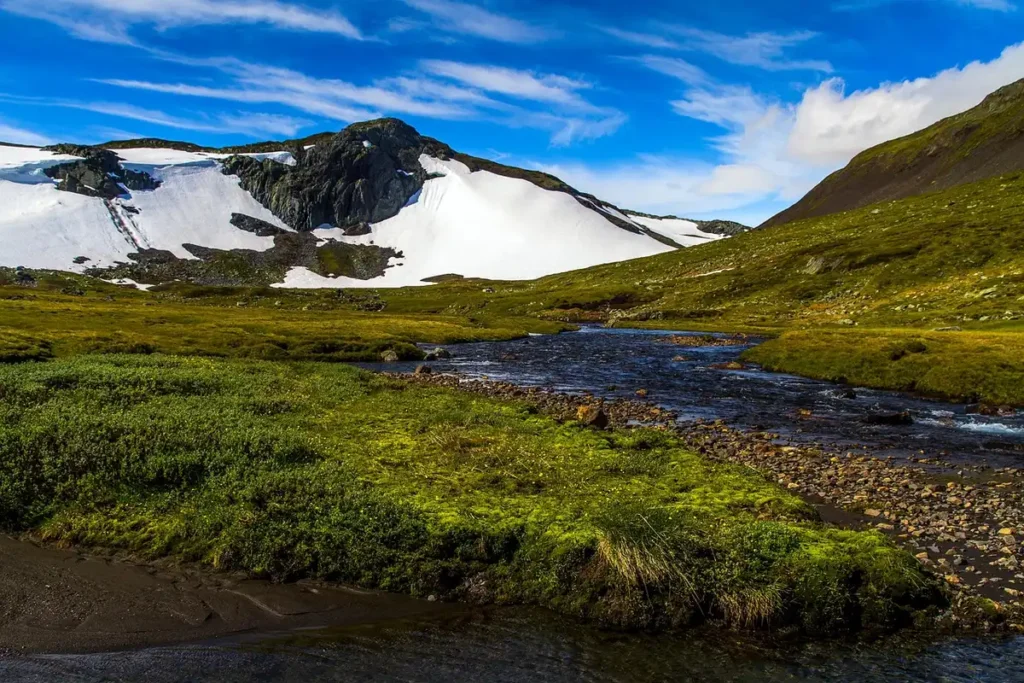
In the serene golden light of an Arctic sunset, the forest of Kallak (or Gállak in Lule Sámi language, spoken in Lapland across northern Sweden and Norway) is quiet, overlooking the gently flowing Lilla Lule River (or Unna Julevädno, meaning “little Lule river”). However, the tranquility is marred by signs of excavation that hint at the looming mining interests. Since 2006, British mining firm Beowulf has been planning to turn this area into a major mining site.
“The soil beneath our feet has been poisoned by test drilling with illegal chemicals; the company just covered it up with rubble, pretending nothing happened,” complains Tor Tuorda, a local Sámi environmental activist, as he guides reporters through the area. His partner, Åsa Lindstrand, a Swedish journalist, adds, “The most recent test drilling was just a show to maintain presence and attract investments.”
The Controversial Kallak Mine Project
The Kallak mine is one of Sweden’s most disputed mining projects, a saga that has persisted for 20 years. Beowulf aims to extract 9 million tons of iron ore annually for about fifteen years, transforming the “backbone” of Sweden with an 80 km² industrial site, complete with roads, railways, potentially a pipeline, and a dam. Despite numerous setbacks and financial struggles, the company has received preliminary approvals from authorities and is now required to conduct an environmental impact study before proceeding.
Local residents, activists, and Sámi people are calling this a disaster, especially since critical Sámi sites are less than 10 km from the proposed mine. “We would lose an ancient forest home to rare species like the Haploporus fungus, which might vanish, as well as a crucial gathering place for us—not to mention the pollution, noise from explosions, dust, and water contamination,” argue Tor and Åsa, who live in the nearby village of Randijaur (Ráddnávrre in Lule Sámi), close to the mining project. Beowulf has not responded to multiple inquiries for comment.
Impact on Sámi Reindeer Herding
Transforming the estuary into a mine would directly threaten the millennia-old practice of Sámi reindeer herding in the Arctic region of Sápmi. “If the mine is built, it would cut our migration route in half, forcing us to detour through other communities’ territories, leading to conflicts and increased costs due to truck use—stressful for both the reindeer and us,” laments Jan Erik Läntta, a part-time reindeer herder and former president of the Jåhkågaska tjiellde herding community.

For the twenty families and 4,500 reindeer in his “Sámi village,” the mine would be a catastrophe. “We’d lose reindeer, scared off by the noise and dust. I fear these challenges may discourage young people from continuing herding, threatening our ancient culture in favor of working in the mine or elsewhere,” he sighs, seated outside the Sámi Museum in Jokkmokk, next to a bronze reindeer statue. The herding of reindeer is tightly regulated by Swedish authorities, who impose quotas and area limits, posing a significant challenge for these communities amidst mining, wind farms, dams, and other projects.
Potential Loss of UNESCO World Heritage Status
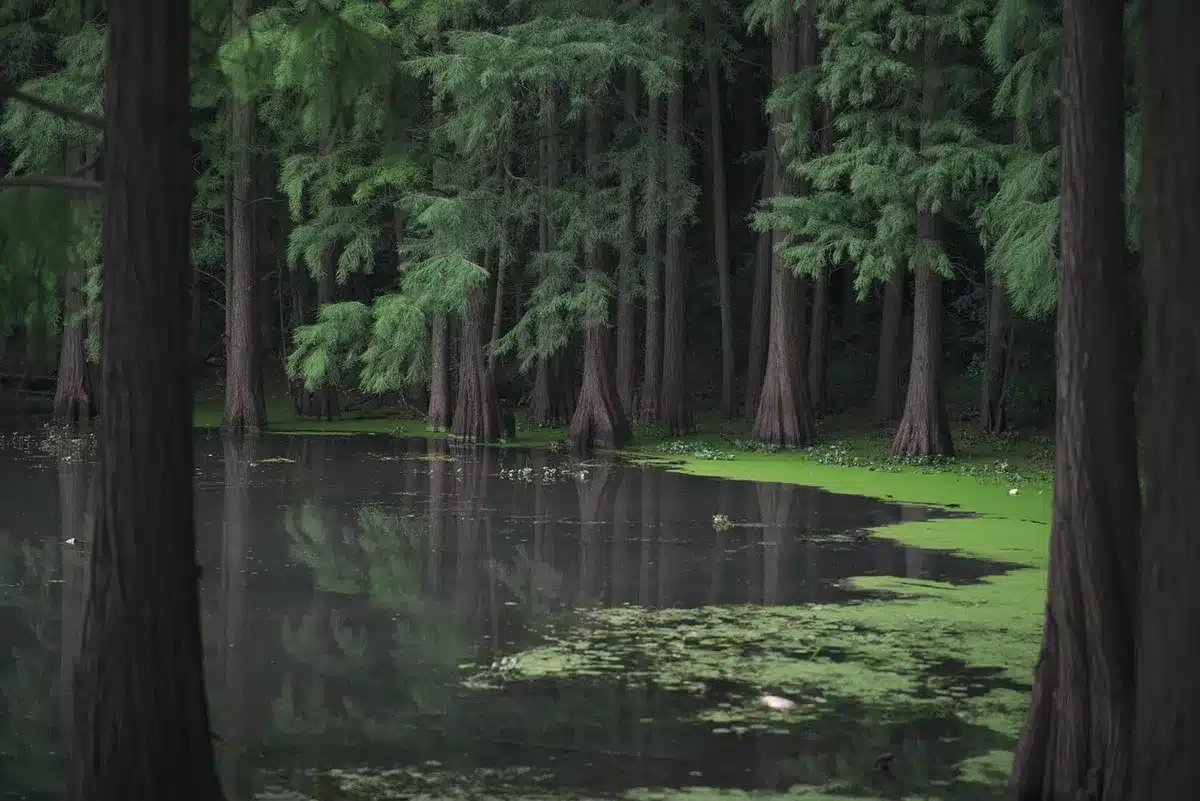
This additional threat could lead to the loss of the protected World Heritage status of the Lapland region. This area covers 940,000 hectares of majestic mountains adorned with snow and glaciers, ancient boreal forests, and mysterious peatlands. Along the road traversing the region, reindeer leisurely cross, prompting tourists from around the globe to pause for photos.
In 1996, UNESCO recognized the region for its “outstanding universal value” provided by reindeer herding, now under threat. The proposed mine’s mitigation measures are deemed insufficient to prevent impacts that could jeopardize the long-term viability of Sámi reindeer herding, prompting calls for Sweden to deny the environmental permit.
Local Opposition and Political Concerns
“Our people have lived here for 6,000 to 7,000 years, continuously hunting and herding, building a transhumant and rich culture in these living landscapes—seen by outsiders as pristine postcards,” states Henrik Blind, mayor of Jokkmokk (from the Green Party) and a descendant of Sámi reindeer herders. He voices his concerns in a lávvu, a traditional Sámi tent, in the town’s museum.
“The region is cherished by tourists for its beauty, but it’s already burdened by dams on the Lule River and numerous power plants. Adding mines, railways, and pipelines would devastate this natural heritage,” he worries, dismissing the economic arguments for the mine. “Jokkmokk doesn’t need jobs; we have one of the lowest unemployment rates in northern Sweden,” he asserts.
Moreover, mining revenues would go directly to the British company and the Swedish state, but not benefit local residents. With elections scheduled for September 13, the mayor fears the worst. “Several right-wing and far-right parties advocate for more mining and reducing the rights of Sámi reindeer herders. This is unprecedented in our country’s political history,” he worries.
Indeed, Sweden’s deputy prime minister, Ebba Busch, has proposed to accelerate mining and remove the “national interest” status to increase the extraction of “critical resources” for the EU and NATO defense—Sweden already produces 90% of Europe’s iron. The far-right “Swedish Democrats” party would like to further curtail reindeer herders’ rights amidst ongoing controversies over hunting and fishing rights of the Sámi.
“We are caught between extractivist projects like the Kallak mine, political statements, and everyday racism: Sámi rights, though enshrined in law, are neither protected nor taken seriously,” criticizes Eva Forsgren, president of Amnesty Sápmi in Sweden, a branch of Amnesty International.
For her, this is nothing less than “green colonialism”: the Swedish part of Sápmi has been marked by colonization and forced Christianity since the 17th century, fragmented by surrounding Nordic states. Since the 19th century, it has been a battleground for various rights issues.
A tragic history of forced displacements, ongoing struggles for rights, and cultural erasure is all too familiar to Tor Tuorda. “My Lule-Sámi family was deprived of the right to herd reindeer by the state: Sweden divided us to rule more effectively. As a result, I’m not allowed to fish, live, or hunt in the natural parks of Lapland, unlike other Sámi—I’ve even been fined for defying this ban and claiming my rights,” he sighs, surrounded by trees scarred from intensive logging.
“I feel immense sadness every day, though I may not show it. How many of us have lost our Sámi roots and know nothing about ourselves? And how much longer must we fight for our rights and our lands?” he questions.
Similar Posts
- Trump’s Push for Global Free Speech Rights: Ex-Adviser Reveals Administration’s Bold Move
- In 2009 Sweden replaced books with computers – now it’s spending €104M to go back
- How Racism, Colonialism, and Capitalism Shaped the Origins of WWF
- Biodiversity Haven in Namibia Ravaged by Flames: Vital Ecosystem Under Threat
- Biodiversity Crisis in Île-de-France: How Climate Change is Reshaping Nature

Hi, I’m Ashley from the Decatur Metro team. I share essential information for a sustainable and responsible lifestyle.