Revitalizing the Palm House: A Modern Take on a 1940s Home
Nestled in a residential area of Victoria, Australia, the Palm House is a prime example of how an aging property can be transformed to fit modern family needs while preserving its historical essence. The renovation, carried out by Leeton Pointon Architects + Interiors, infused new vitality into a post-war 1940s house that was previously characterized by its lack of connection to the outdoors and its dimly lit spaces.
The renovation is grounded in the philosophy of utilizing the existing structure. Instead of demolishing the entire building, the architects decided to keep most of the original framework. This approach not only minimized the environmental footprint but also allowed for focused enhancements in critical areas such as the kitchen, pantry, laundry, and living spaces. This strategy made it possible to invest in quality improvements without the need for a complete reconstruction.
The Garden Room: A Seamless Indoor-Outdoor Connection
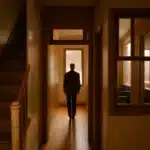
The extension, beautifully conceptualized as a “garden room,” now forms the nucleus of the home. This new addition is integrated into a thoughtfully designed landscape and opens up to nature with its extensive use of glass. This setup ensures a fluid transition from the home’s interior to its green surroundings. Moving from the original sections of the house to this new pavilion, visitors experience a gradually unfolding view through an arched opening that frames the vibrant garden and the airy, light-drenched extension.
Why the 12-5-30 Incline Walking Method Is the Ultimate Fat-Burning Workout, According to Fitness Experts
The ultimate trick to banish mold from your bathroom grout in just 7 minutes—no vinegar or baking soda needed
The introduction of this garden room marks a departure from the original inward-looking design of the house. Areas that once lacked natural light now bask in its abundance, offering views of the garden from every angle and improved air circulation—features that significantly boost the living comfort, health, and overall happiness of its inhabitants.
Although the architectural language of Palm House is complex, its material palette is elegantly simple. Concrete, glass, and wood are combined to forge a serene and modern atmosphere, lending durability and a contemporary touch to the historic structure.
Inside, the house’s layout facilitates smooth movement while delineating subtle separations between different zones. The spacious open-plan areas promote social engagement, while subtle architectural elements like gentle curves and varied ceiling heights create cozy spaces for privacy and relaxation.
The contemporary interior design, orchestrated by Karyne Murphy Studio, features soft textures, natural colors, and minimalist styles that enhance the peaceful and reflective ambiance of the home.
Innovative Design Elements and Sustainability
A standout feature of the extension is its sculptural concrete roof. The undulating form adds a dynamic rhythm and softness unexpected from concrete. This roof not only highlights the architectural aesthetic but also fulfills practical roles—it mitigates the heat during the summer, adds thermal mass for better energy efficiency, and provides captivating views both skyward and outward.
The strategically placed oculus skylights in the roofline bring dynamic patterns of light and shadow into the home, creating a lively play of reflections throughout the day.
Sustainability is woven into every aspect of Palm House’s design. By preserving the original structure and concentrating new construction on critical areas, the project significantly cuts down on material waste and costs. From the beginning, passive design techniques such as optimal orientation, calculated shading, thermal mass, and enhanced natural ventilation were employed. The integration of hidden solar panels, discreetly placed water tanks, and an eco-friendly landscape that supports both food production and biodiversity ensures that the house’s beauty is both sustainable and functional.
The thoughtful renovation of Palm House sets a benchmark for modernizing historic homes without stripping away their character, demonstrating a harmonious blend of past and present architectural elements.
Similar Posts
- Ravi Raj Revamps 100-Year-Old Croton-on-Hudson Home: See the Stunning Transformation!
- Stunning 1974 San Francisco Home Renovation: Preserving Its Historic Charm!
- Japanese-Inspired Elegance: House of Rolison Ushers Home into Stunning New Chapter
- Stunning Modernist Home Doubles as Art Gallery: Explore This Unique Pavilion-Style Masterpiece!
- 10 Stunning Modern Homes: See Trees Thriving Indoors!

Hi, I’m Michael from the Decatur Metro team. I offer you practical tips to enhance your living space.