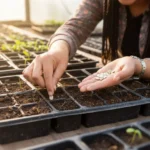
It sounds like something out of a sci-fi novel — a tree that shoots up in months and captures carbon like a vacuum. But for two brothers in Brittany, it’s not a fantasy. It’s a new way of farming, and possibly, a small step toward a greener planet.
A tree that soars in weeks
On a quiet patch of farmland in Locmélar, Brittany, two farmers — Stéphane and Jérôme Gueguen — have turned one hectare of land into a fast-growing forest. Their weapon of choice? The Paulownia tree. Known for its lightning-speed growth and eco-friendly properties, this unusual species has taken root in France — literally and figuratively.
Why the 12-5-30 Incline Walking Method Is the Ultimate Fat-Burning Workout, According to Fitness Experts
The ultimate trick to banish mold from your bathroom grout in just 7 minutes—no vinegar or baking soda needed
In just four months, their trees have stretched nearly four metres into the air. By the time they reach full height — around 12 to 15 metres — it will have taken them just seven to ten years. That’s practically a blink in tree years.
These aren’t just any Paulownias, either. The brothers planted a cold-resistant variety called Phoenix One®, which can handle temperatures down to -10°C. The trees were pruned at the end of May to encourage straight, even growth, and they’ve bounced back beautifully. Now, their broad leaves are fanning out like solar panels — ready to fall as autumn arrives.


Not just fast — but fiercely green
What makes Paulownia trees so compelling isn’t just their speed. It’s their carbon credentials. These trees are reported to absorb up to ten times more CO₂ than your average forest resident. In the fight against climate change, that’s not just good news — it’s game-changing.
And they’re not just pretty to look at. Paulownia wood is light, strong, and wildly versatile. It’s already being snapped up for everything from surfboards and furniture to eco-conscious tiny houses. In a world where sustainable materials are in demand, this tree is ticking all the boxes.
The Gueguens began watering each tree with two litres every other day in the early stages — no small task, but one they say was worth the effort. As co-founder Sandrine Berkel from Arbre Paulownia puts it, “It’s a magic tree — but it still needs looking after.”
Big potential for small-scale farmers
With less than €5,000 invested, the Gueguen brothers may eventually see returns between €60,000 and €80,000 per hectare, once the first harvest comes in. That’s a remarkable margin, especially for land that might otherwise sit unused or underperforming.
Some growers opt for buy-back contracts with Arbre Paulownia, which offer fixed prices for the harvested wood. Others prefer to sell independently, tapping into a market that’s quietly but steadily expanding in France.
Just last September, the Gueguens hosted a field day that attracted curious visitors from all over the country — farmers looking to diversify, and private landowners wondering what they could do with their spare acres.
A market waiting to bloom
According to Berkel and her business partner Julien Kloesmeyer, demand for Paulownia wood is on the rise. “We get calls every week,” they say, “from people who want to buy it.” But for now, supply is limited — meaning there’s real opportunity for newcomers to the market.
With environmental pressure mounting and landowners searching for sustainable, profitable crops, the Paulownia might just be the unexpected star of the future. A tree that grows fast, fights CO₂, and fills a niche in the eco-construction market? That’s not just a good idea — it’s smart forestry.
Similar Posts
- Beavers Boost CO₂ Storage Tenfold in Wetlands: Nature’s Engineers Combat Climate Change
- Every Tree a Monument: Discover the Majestic Life of Trees When Unfettered
- Celebrating the “Tree of the Year”: Meanwhile, Our Forests Are Being Carved Up
- Mighty Beetle Halts Highway Construction: How a Tiny Insect Challenged Engineers!
- Emmanuel Macron’s Tree Replanting Promise Falls Short of Billion Mark

Hi, I’m Brandon from the Decatur Metro team. I guide you through the trends and events reshaping our region.