With petrol prices stubbornly hovering above €2 a litre, many drivers are desperate for ways to cut costs. One French entrepreneur believes he’s found the answer: a water-assisted engine kit that he claims can slash fuel consumption by as much as 20%. While the promise sounds almost too good to be true, demand for his invention is soaring.
An old idea making a comeback
The concept of mixing water with combustion isn’t new—it was experimented with in the early days of the automobile industry. But more than a century later, it’s being revived in Brittany. Laurent Baltazar, a self-taught tinkerer and former IT specialist, has developed a kit called Eco Leau.
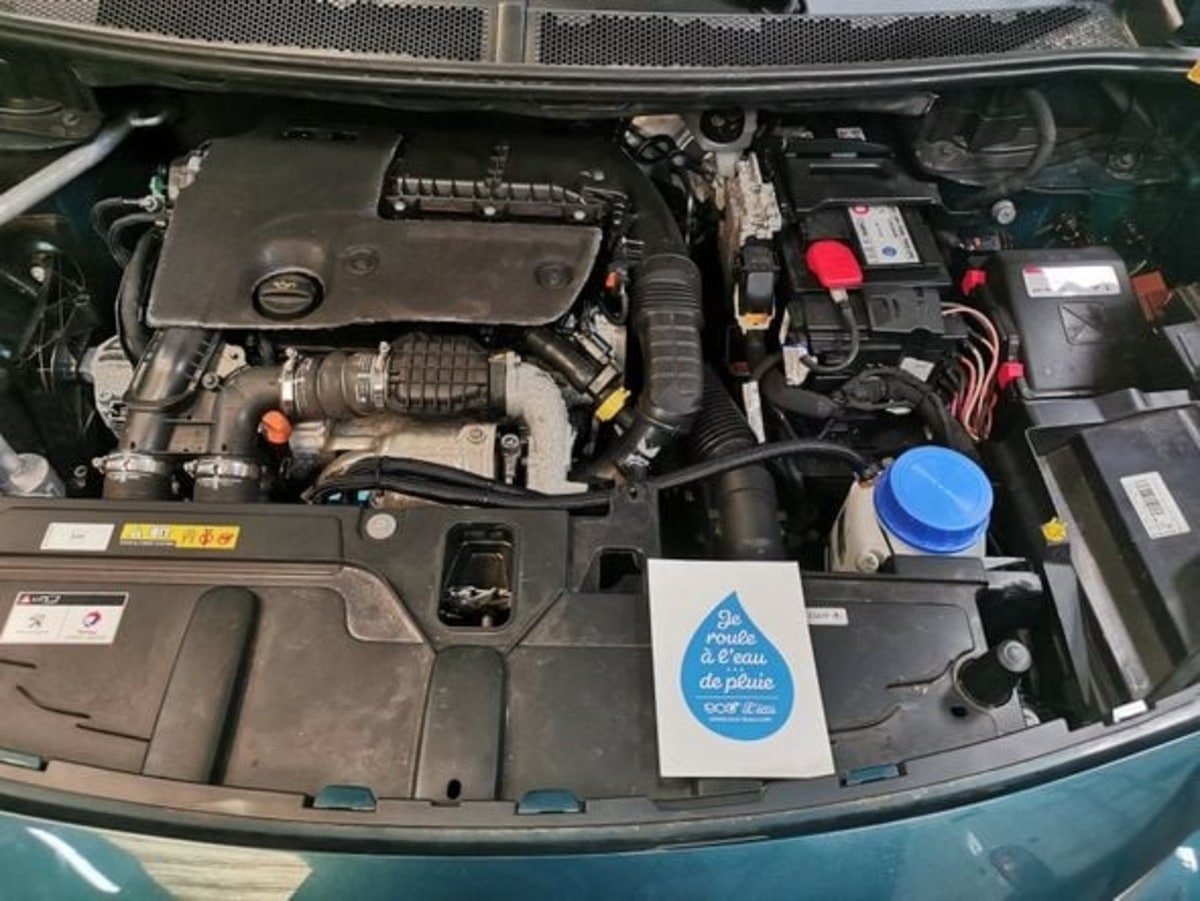
The device, priced at around €500, can be fitted to most cars. Installed near the turbo, it injects fine water vapour into the airflow, enriching the mix with humid air. According to Baltazar, this improves engine torque, meaning drivers don’t need to press the accelerator as hard—hence the potential savings. “A car engine is like the human body,” he explains. “It runs on air, but it performs better with humid air.”
Why the 12-5-30 Incline Walking Method Is the Ultimate Fat-Burning Workout, According to Fitness Experts
The ultimate trick to banish mold from your bathroom grout in just 7 minutes—no vinegar or baking soda needed
Controversy and scepticism
Not everyone is convinced. Critics online have dismissed the invention as a gimmick, pointing to the lack of peer-reviewed research confirming its effectiveness. Even the respected École des Mines de Douai, after a lengthy study of similar “water doping” systems, admitted it could not definitively prove whether such devices worked as advertised.
Baltazar counters by pointing to customer feedback: some report noticeable reductions in fuel use, while others highlight improved driving comfort. Still, without large-scale scientific validation, the claimed “20% savings” remains hotly debated.
Promises of lower pollution
If the kit does deliver, its impact could extend beyond fuel savings. By reducing consumption, it may also cut particulate emissions and nitrogen oxides (NOx). Baltazar cites the example of a Fiat Punto whose NOx emissions dropped by 30% after installation. Some mechanics back his claims, noting that the water vapour also helps prevent engine carbon build-up, reducing the smoky exhaust typical of ageing diesel engines.
Growing demand across France
Despite doubts, sales are booming. Since launching in 2012, Baltazar has sold around 20,000 kits, with demand skyrocketing each time oil prices spike. Today, more than a thousand units leave his workshop each month—so many that partner garages struggle to keep up.
The kit costs about €500 for a small car, rising to more than €1,000 with professional installation. But for the mechanically inclined, it can be fitted at home. “All you need is to know where the turbo is,” Baltazar laughs. To meet demand, he plans to open a dedicated showroom near Morlaix.
A hopeful but uncertain future
Whether Eco Leau represents a genuine breakthrough or just another hopeful gadget, it taps into a very real need: helping drivers regain control of their fuel bills. And with global energy markets showing no signs of calming, the appeal of a water-boosted engine is unlikely to fade anytime soon.
For now, the jury is still out—but for many motorists, even the possibility of shaving a fifth off their fuel costs is enough to give it a try.
Similar Posts
- Why Hybrid Cars May Not Be the Eco-Friendly Bargain You Expect
- A 2,500 km EV Road Trip Proves Diesel Still Reigns Supreme
- The hidden downsides of hybrid cars: what dealers aren’t telling you
- Stephen Hawking was right? Scientists build first plasma engine that needs no fuel, power, or hydrogen
- Gas Cars Last 12 Years—Electric Vehicles Get Replaced Every 3, Study Finds

Hi, I’m Brandon from the Decatur Metro team. I guide you through the trends and events reshaping our region.