Teenagers are known for many things—eye rolls, loud music, mood swings—but one thing that never fails to raise eyebrows (and noses) is their distinct body odour. And now, science has sniffed out the culprit.
Adolescence: the hormonal rollercoaster
The teenage years are basically puberty’s version of a rock concert: loud, chaotic, and full of transformation. Behind the scenes, it’s the pituitary gland—a tiny but mighty conductor at the base of the brain—that kicks off the show. This little gland triggers the release of sex hormones like testosterone and oestrogen, which launch the body into full-on metamorphosis.
It’s not just the voice cracking or sudden growth spurts that make these years feel like a storm. The emotional turbulence is just as real. One minute, your teen is beaming with joy; the next, they’re locked in their room with the curtains drawn. Add the internal tug-of-war between dependence and the need for independence, and you’ve got a heady mix of rebellion, identity-seeking, and yes, the occasional slammed door.
Why the 12-5-30 Incline Walking Method Is the Ultimate Fat-Burning Workout, According to Fitness Experts
The ultimate trick to banish mold from your bathroom grout in just 7 minutes—no vinegar or baking soda needed
During this whirlwind, support systems matter—a lot. Whether it’s a listening parent, a trusted teacher, or that one friend who gets it, the right people can help steady the ship. But even with all the guidance in the world, there’s one change puberty brings that no amount of life advice can erase: the smell.
Why do teenagers sometimes smell like cheese ?
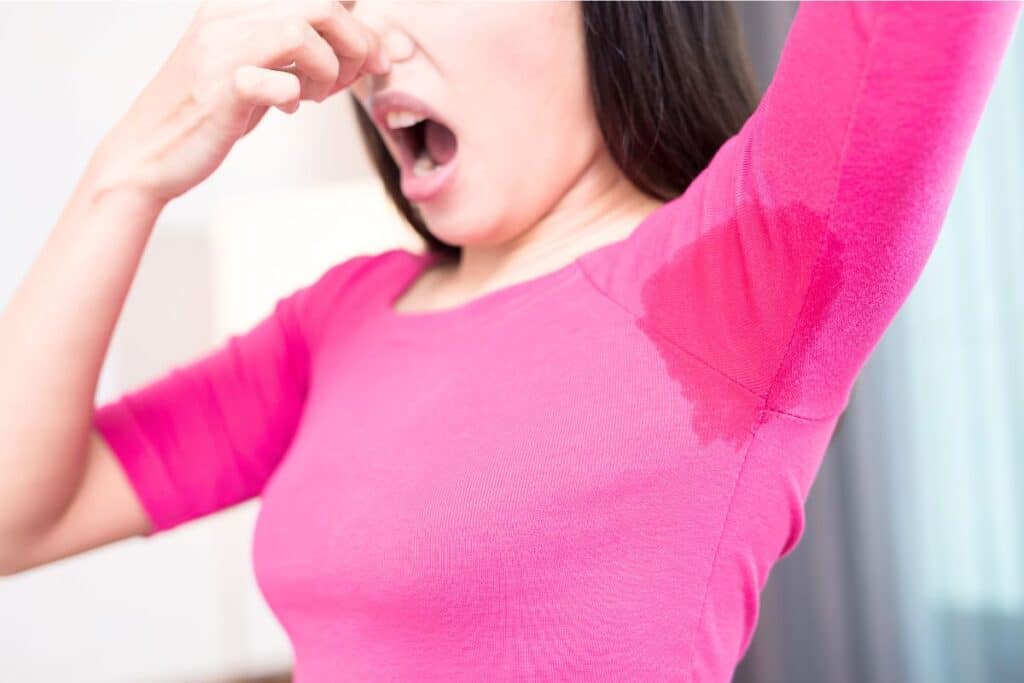
Before you accuse your teenager of dodging the shower again, let’s set the record straight: that musky, sometimes cheesy scent isn’t necessarily a hygiene issue—it’s biology.
At puberty, the body activates a new set of sweat glands called apocrine glands. Nestled mostly in the armpits and groin, these glands don’t just produce regular sweat. No, they release a thick, milky substance that—on its own—is odourless. But once it mixes with the bacteria living on the skin, it becomes a chemical cocktail of scents best described as… memorable.
Add to this the overdrive of the sebaceous glands, which pump out sebum, a natural oil that—when combined with sweat and skin flora—turns the body into a veritable microbial jungle. The cherry on top? New body hair, which traps moisture and bacteria like a sponge. It’s not a lack of soap—it’s a perfect storm of hormonal biology.
What’s that smell ? Blame carboxylic acid (and a couple of wayward steroids)
Researchers in Germany took a close (and brave) look at the science of teen smell. After examining fabric worn under children’s and adolescents’ arms, they zeroed in on a major player: carboxylic acid. This chemical, famously linked to the smell of aged cheese, is particularly abundant during the teenage years.
And just when you thought it couldn’t get more complex—or aromatic—a recent study in Communications Chemistry identified two specific steroids that amplify the funk. One gives off a musky aroma, while the other has the less glamorous note of urine. Yes, really.
The good news? This stage doesn’t last forever. It’s a temporary rite of passage, just like braces or bad poetry. With time, hormonal levels balance out, the apocrine glands settle down, and the smell of teen spirit starts to fade.
Until then, a decent antiperspirant, some breathable fabrics, and a little understanding can go a long way. After all, if we survived our own awkward teen years (and their associated smells), we can probably cut the next generation some slack.
Similar Posts
- Why your belly tends to grow as you age, according to science
- “After 65, skip daily showers”: Doctors confirm less is better for your health
- Wet Leg’s Rhian Teasdale Reveals: “If It’s Fluid, It’s Erotic”
- How often should you really shower after 65? Science reveals the ideal frequency for health and well-being
- The Sophs Drop Hot New Single “Death in the Family”: Listen Now!

Hi, I’m Brandon from the Decatur Metro team. I guide you through the trends and events reshaping our region.